
Can You Use an Air Purifier with an Air Conditioner?
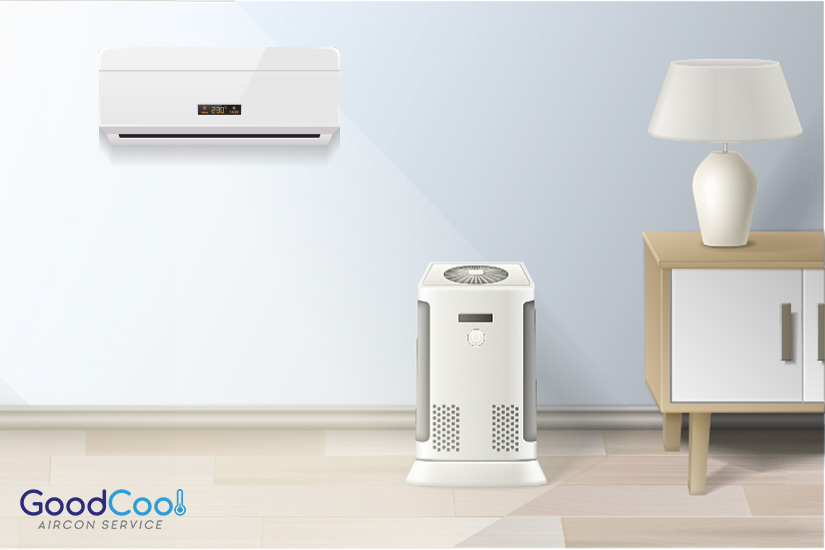
Air quality and temperature control are two of the most important factors when it comes to creating a comfortable and healthy indoor environment. Many people wonder: can you use air purifier with air conditioner at the same time? The short answer is yes – and doing so can provide excellent benefits for your home. Air conditioners are typically used to maintain optimal temperatures, while air purifiers are designed to enhance air quality by removing pollutants and allergens. What happens, then, when you use the two together?
In this article, we explore the compatibility of using an air conditioner air purifier combination, and the benefits that may come from it.
Compatibility: Air Purifiers and Air Conditioners Serve Different Purposes
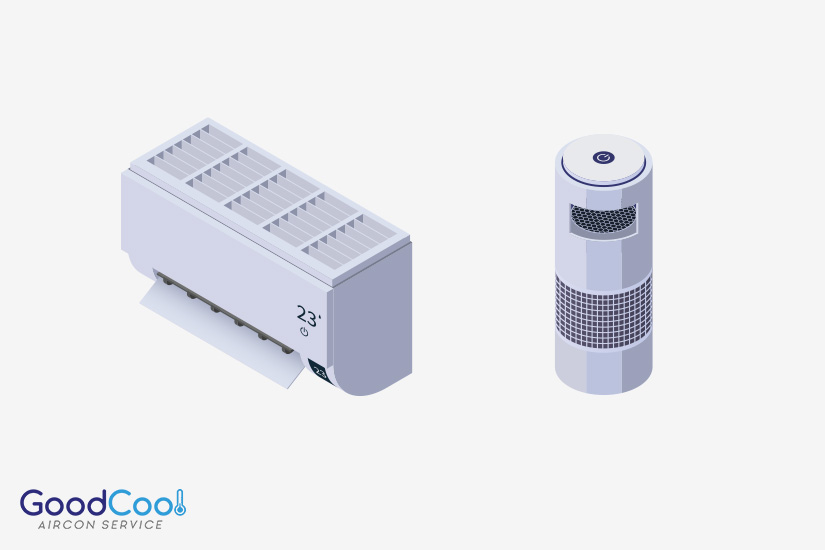
Using devices that contradict or overlap each other could lead to more frequent breakdowns that require aircon troubleshooting in Singapore, so the first factor to consider when gauging the viability of using both devices together is whether their functions overlap. Understanding the difference between air conditioner and air purifier helps explain why they work well together.
The good news is that they don’t overlap – air conditioners are primarily designed to regulate temperature while the main task of air purifiers is to capture and eliminate airborne contaminants, such as dust, pollen, pet dander, smoke particles, and odours. So, does AC work as air purifier? Not quite. Air conditioners do come with filters that also help clean the surrounding air to a certain degree, but certainly not to the extent of the latter. Due to the stark differences in purpose, there’s no inherent conflict in using both devices in the same space.
What is the Difference Between Air Conditioner and Air Purifier?
Before deciding whether to use an aircon with air purifier, it helps to understand what each device does:
Air Conditioner Functions:
- Cools or heats the air to maintain comfortable temperatures
- Removes some humidity from the air
- Circulates air throughout the room
- Has basic filters that catch larger dust particles
Air Purifier Functions:
- Removes fine particles, allergens, and pollutants from the air
- Captures bacteria, viruses, and mould spores (with HEPA filters)
- Eliminates odours (with activated carbon filters)
- Does not change air temperature
The difference between air purifier and air conditioner is clear: one controls temperature, the other cleans the air. This is why an air purifier air conditioner combination makes sense – they handle different jobs.
Enhanced Air Quality: A Dual Benefit

Not only does an air conditioner and an air purifier not overlap; they actually complement each other to provide a dual advantage for your indoor environment. Using an air conditioning air purifier setup together creates the best possible indoor conditions. While the air conditioner cools or heats the air to maintain the optimal temperature, the air purifier is hard at work removing impurities and improving the air quality.
Here’s an in-depth look at some of the benefits of using these devices together:
Cleaner and Healthier Air
Air purifiers can effectively remove allergens like pollen and pet dander, as well as microscopic particles that can cause or worsen respiratory conditions. When you use an air purifier and air conditioner together, you get air that is both cooler and cleaner to breathe. This is especially helpful for people with allergies or asthma.
Odour Elimination
Air purifiers equipped with activated carbon filters can remove common household odours, such as cooking smells or tobacco smoke. An air conditioner purifier combination helps create and maintain a cool environment whilst preventing unwanted odours from circulating around the space.
Enhanced Allergen Control
If you’re suffering from allergies or asthma, the combination of an air purifier and an air conditioner could greatly reduce allergen levels in the air, providing you with much-needed relief from allergy symptoms and asthma attacks. This is why many Singapore households choose to use an aircon and air purifier together.
Dust and Particle Reduction
Air purifiers can capture dust and fine particles, preventing them from settling on furniture and surfaces. This not only contributes to a cleaner and more comfortable living space; using air purifiers air conditioners together also decreases the rate of dust and debris buildup in your air conditioner’s filters, allowing it to last longer without needing an aircon replacement in Singapore.
Learn more: 4 Ways a Dirty Aircon Can Affect Health
Does Using an Air Purifier with Air Conditioner Really Help?
Research supports the benefits of using an air conditioner with air purifier. A 2024 study published in the journal Buildings found that when an air purifier runs together with an air conditioner, the time needed to clean the air was reduced by 15.2% compared to using the purifier alone. This shows that the AC with air purifier combination is more effective than using either device separately.
The air conditioner helps by circulating air around the room, which allows the air purifier to filter more air in less time. This means you get cleaner air faster when you use both devices together.
Considerations for Optimal Performance
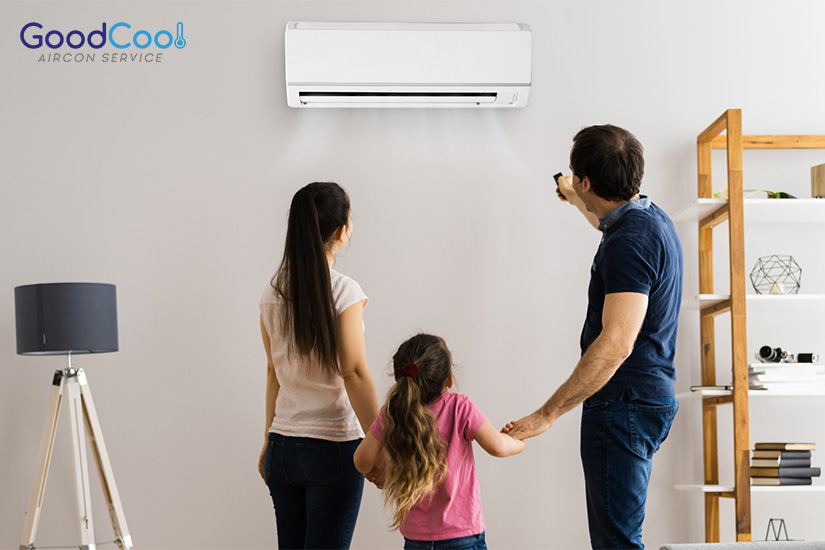
To ensure that your air purifier and air conditioner work seamlessly together, here are some factors to consider. Getting the right air purifier vs aircon balance depends on your room and needs:
Room Size
Choose an air purifier with an appropriate Clean Air Delivery Rate (CADR) for the size of the room. This ensures that the air purifier can effectively filter the air in the given space.
Type of Air Purifier
Select an air purifier that suits your specific needs. High-efficiency particulate air (HEPA) filters are known for their effectiveness in removing allergens, while those with activated carbon filters are excellent for odour control. Consider what matters most to you – whether it’s removing dust, allergens, or smells – when choosing your air conditioner and purifier setup.
Maintenance Requirements
Regularly clean or replace the filters in your air purifier as per the manufacturer’s recommendations. This is crucial for maintaining its performance and ensuring it continues to operate as intended.
Placement and Timing for Optimal Performance
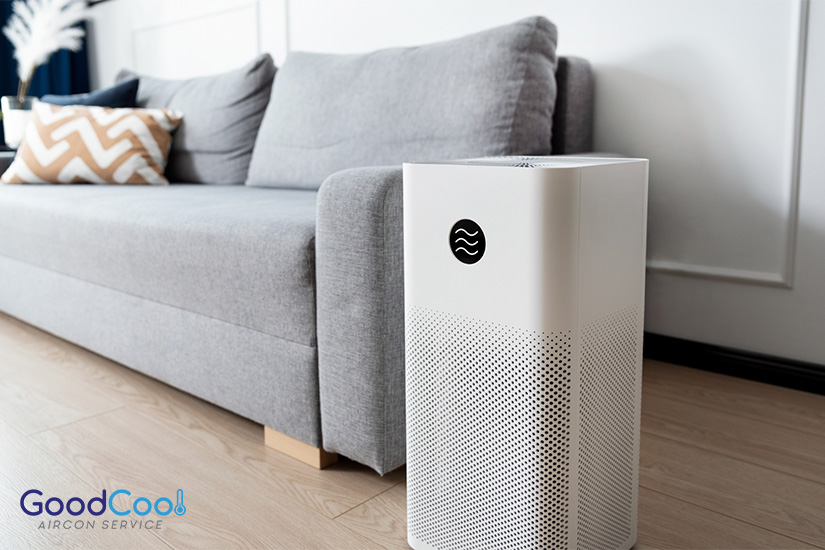
To maximise the benefits of using an air conditioner and an air purifier concurrently, here are some placement and timing tips to adopt. Proper setup of your air purifier and air conditioner ensures you get the best results:
Positioning
Place the air purifier in a strategic location within the room, ensuring that it’s not obstructed by furniture or other objects. Proper placement can help facilitate better air circulation and filtration. Ideally, position the air purifier where it can work together with the airflow from your air conditioner.
Simultaneous Operation
Run the air purifier concurrently with the air conditioner. This allows the air purifier to continuously filter the air while the air conditioner cools or heats it, resulting in consistently improved indoor air quality. Using your air purifier air conditioners together at the same time gives you the best results.
Finally, an effective collaboration between the two devices requires both of them to be working optimally to begin with. If your air conditioner is due for cleaning or servicing, then consider engaging trusted aircon service providers like GoodCool to give your air conditioners a new lease of life. With over 15 years of experience in the industry, we specialise in a wide range of air conditioner brands—whether you’re looking for Daikin aircon service, Mitsubishi aircon repair in Singapore, or any other brand, we’ve got you covered. To find out more about our services, please contact us.
Frequently Asked Questions
Can you use air purifier with air conditioner at the same time?
Yes, you can use an air purifier with an air conditioner together. In fact, this combination works very well because the devices serve different purposes. The air conditioner controls temperature while the air purifier removes pollutants from the air.
Does AC work as air purifier?
An air conditioner has basic filters that catch some dust, but it does not work as an air purifier. AC filters are designed mainly to protect the unit itself, not to deeply clean the air. For proper air purification, you need a dedicated air purifier with HEPA or activated carbon filters.
What is the difference between air purifier and air conditioner?
The main difference air purifier air conditioner is their purpose. An air conditioner changes the temperature of the air – it cools or heats your room. An air purifier cleans the air by removing dust, allergens, bacteria, and odours. They do different jobs, which is why using both together is beneficial.
Will using both devices increase my electricity bill significantly?
Air purifiers typically use much less electricity than air conditioners. Most portable air purifiers use between 30 to 100 watts, similar to a light bulb. The electricity cost of running an air conditioner air purifier combination is not much higher than running the AC alone.
Should I get an aircon with air purifier built-in?
Some modern air conditioners come with air purifier features built in. However, a separate air purifier usually provides better air cleaning performance than the built-in options. If air quality is important to you, consider using a dedicated air purifier alongside your AC.
Keep Your Air Conditioner in Top Condition
An effective collaboration between the two devices requires both of them to be working optimally to begin with. A dirty or poorly maintained air conditioner will not circulate air properly, which affects how well your air purifier can work. If your air conditioner is due for cleaning or servicing, then consider engaging trusted aircon service providers like GoodCool to give your air conditioners a new lease of life.
With over 15 years of experience in the industry, we specialise in a wide range of air conditioner brands – whether you’re looking for Daikin aircon service, Mitsubishi aircon repair in Singapore, or any other brand, we’ve got you covered. To find out more about our services, please contact us.